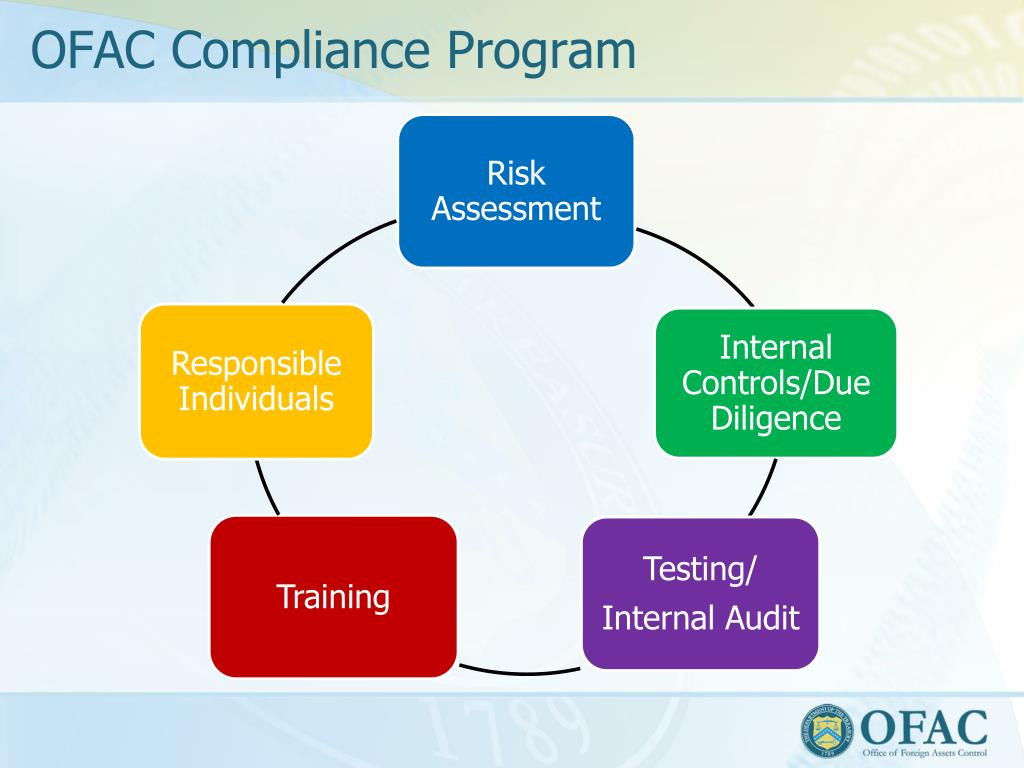
The Office of Foreign Assets Control (OFAC) is a U.S. government agency that administers and enforces economic and trade sanctions based on U.S. foreign policy and national security goals. These initiatives are crucial in maintaining international stability and safety. In this article, we will delve into the details of OFAC sanctions programs, understanding their purpose, implementation, and effects on various sectors.
What are OFAC Sanctions Programs?
OFAC sanctions programs are intended to exert pressure on countries, entities, and individuals that are involved in various activities considered harmful to U.S. interests or to the international community. These sanctions can be applied for reasons that include terrorism, drug trafficking, human rights violations, and nuclear proliferation, among others. The primary aim of these measures is to influence the behavior of the sanctioned parties and discourage unlawful activities.

Types of Sanctions
OFAC implements various types of sanctions, each tailored to specific situations and objectives. The two main categories are:
- Comprehensive Sanctions: These target entire countries and generally prohibit all trade and investment with those nations. Examples include sanctions against North Korea and Iran.
- Targeted Sanctions: Also known as “smart sanctions,” these focus on specific individuals, entities, or sectors within a country. Examples include asset freezes or travel bans imposed on specific political figures or organizations.
Legal Framework
The legal basis for OFAC sanctions programs can be found in various U.S. laws, including the Trading with the Enemy Act, the International Emergency Economic Powers Act, and various executive orders issued by the President. These laws grant the President the authority to impose sanctions in response to national security threats and other foreign policy interests.
Impact of OFAC Sanctions
OFAC sanctions can have significant implications for businesses, especially those involved in international trade. Violating these sanctions can result in severe penalties, including hefty fines and restrictions on business operations. Companies need to be vigilant and ensure compliance with OFAC regulations to avoid legal repercussions.
Compliance Strategies
To navigate the complexities of OFAC sanctions, businesses should adopt robust compliance strategies:
- Screening Procedures: Implement rigorous screening processes to check for compliance with OFAC lists of sanctioned parties.
- Training and Awareness: Regularly train employees about sanctions compliance and the importance of adhering to OFAC regulations.
- Monitoring and Reporting: Continuously monitor transactions and business operations for potential violations. Establish a reporting mechanism for suspicious activities.
Challenges and Best Practices
Despite the clear framework that OFAC provides, businesses face various challenges in ensuring compliance. The constantly changing nature of sanctions (with new entities being added or removed from sanction lists frequently) means that companies must stay up-to-date with these changes. Best practices for compliance include:
- Using advanced software solutions for sanctions screening and monitoring.
- Engaging legal experts to navigate the complex regulatory environment.
- Maintaining open communication with regulatory bodies for guidance.
International Coordination
OFAC sanctions are often coordinated with international allies, amplifying their effectiveness. The cooperation among governments can lead to a more unified stance against illegal activities, thereby making it harder for targeted entities to evade sanctions. However, this international coordination can also complicate compliance for global businesses operating in multiple jurisdictions.
Future of OFAC Sanctions
As the global political landscape evolves, OFAC sanctions programs are likely to adapt. Emerging technologies, new foreign policy issues, and shifting alliances may influence the efficacy and structure of sanctions. Businesses must remain flexible and responsive to these changes to effectively manage their risks.
Conclusion
OFAC sanctions programs play a vital role in U.S. foreign policy and the promotion of international security. Understanding these sanctions, their legal foundations, and their implications is essential for businesses engaged in global commerce. By implementing comprehensive compliance strategies and staying abreast of regulatory changes, companies can navigate the complex matrix of international sanctions successfully. The importance of compliance cannot be overstated, as adherence to OFAC regulations is crucial for avoiding substantial penalties and upholding corporate integrity in the global marketplace.