Creating a Secure Environment: Your Guide to Safety
In a world that can often feel chaotic and unpredictable, the importance of safety cannot be overstated. Whether it’s in our homes, workplaces, or public spaces, creating a safe environment is paramount. This guide aims to outline the steps you can take to enhance your safety, as well as the safety of those around you. From basic security measures to emergency preparedness, let’s explore how to cultivate a secure setting for everyone.
1. Understanding the Importance of Safety
Safety transcends mere protection; it encompasses a sense of peace and well-being. When individuals feel secure, they can focus on what truly matters—personal growth, relationships, and enjoying life. Understanding the significance of safety can motivate us to take proactive measures in various aspects of our lives.
2. Assessing Your Environment
The first step in creating a safe environment is assessing your current surroundings. Identify potential risks and hazards in different areas:
- Home: Check for unsecured windows and doors, poor lighting in certain areas, and any objects that could cause tripping hazards.
- Workplace: Look for emergency exits, fire hazards, ergonomics, and the availability of first aid kits.
- Public Spaces: Recognize the importance of situational awareness. Always be mindful of your surroundings when in crowded places.
3. Basic Safety Measures
Implementing basic safety measures is essential for reducing risks:
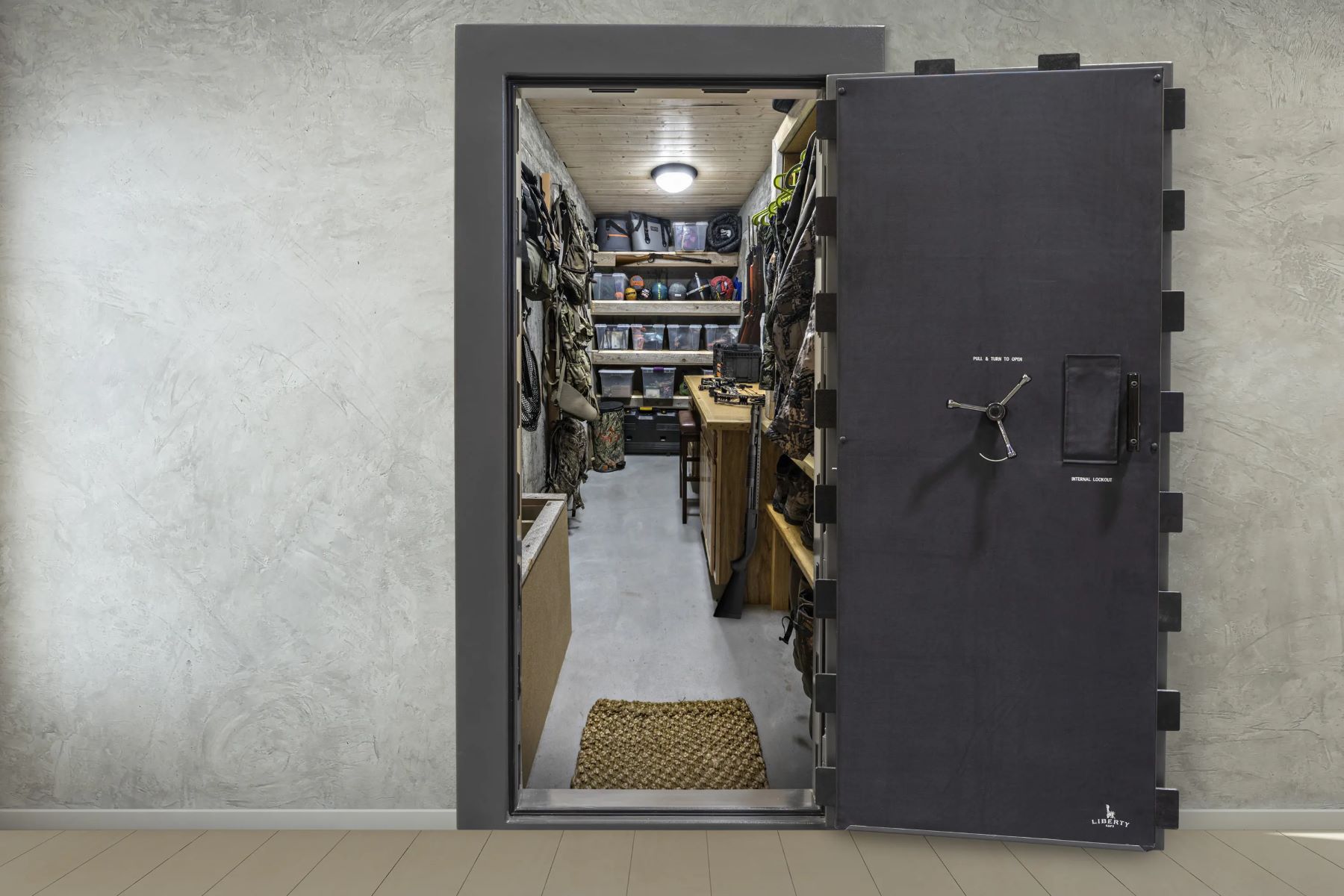
- Home Security: Invest in quality locks, security cameras, and alarm systems. Regularly change your security codes and monitor any suspicious activity.
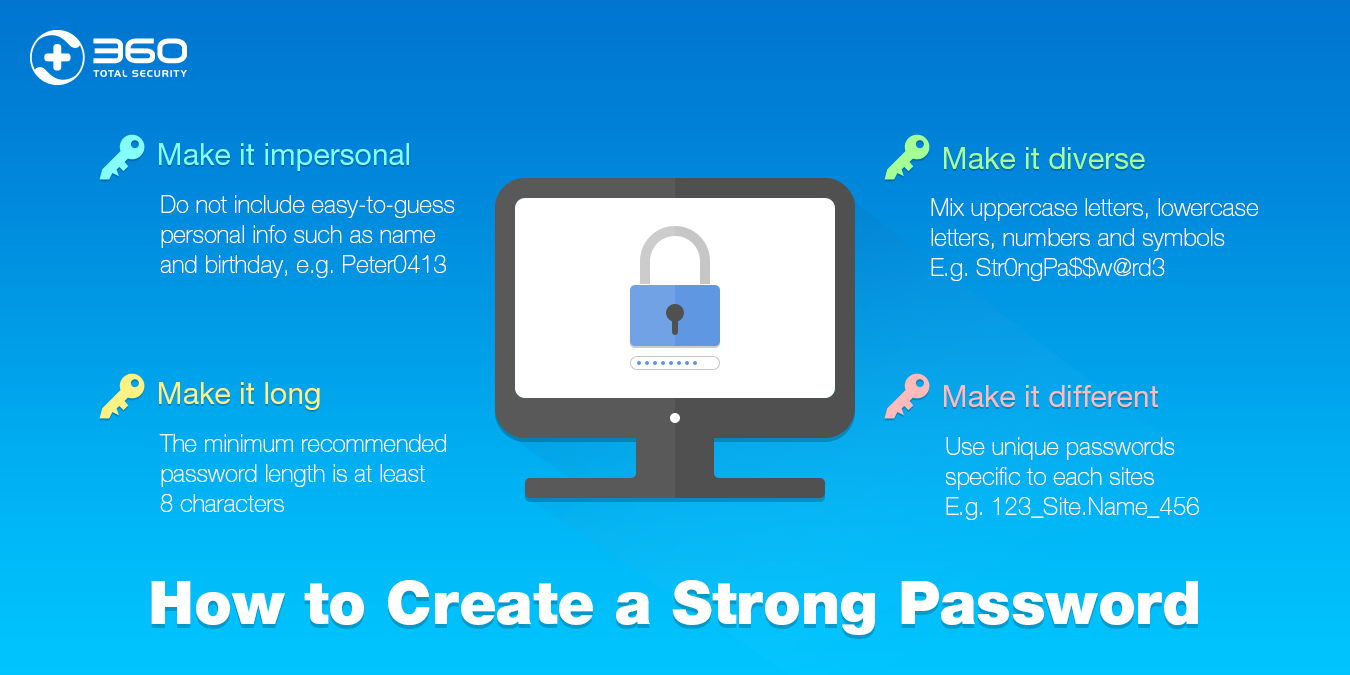
- Personal Safety: Be cautious when sharing personal information online. Use strong, unique passwords for all your accounts and enable two-factor authentication wherever possible.
4. Emergency Preparedness
No one can predict emergencies, but we can prepare for them. Establishing an emergency plan is a critical component of safety:
- Fire Safety: Create an escape plan for your family, practice it regularly, and ensure everyone knows the location of fire extinguishers.
- Natural Disasters: Depending on your location, prepare for earthquakes, floods, or hurricanes by having an emergency kit ready, complete with water, food, first-aid supplies, and flashlights.
- Communication Plan: Establish a means to communicate with family members during emergencies. Designate a meeting place and share contact numbers.
5. Personal Defense Knowledge
Gaining knowledge of personal defense can significantly enhance your safety. Consider taking self-defense classes or attending workshops. Not only do these classes teach practical skills, but they also boost confidence and awareness.
6. Building a Community
Creating a culture of safety is often easier in a community that supports each other. Get to know your neighbors; building a network can help ensure that everyone looks out for one another. Organizing neighborhood watch programs or community safety meetings can foster a more secure environment.
7. The Role of Technology in Safety
In today’s digital age, technology can play a significant role in enhancing safety:
- Smart Home Devices: Utilize smart cameras, doorbells, and locks to monitor your home remotely.
- Safety Apps: Download apps designed for emergency situations, such as those that enable you to share your location with trusted contacts or send distress signals.
8. Mental Health and Safety
It’s essential to recognize the link between mental health and safety. A sound mind contributes to clear decision-making and an increased ability to identify and mitigate risks. Ensure that you and your loved ones prioritize mental health and well-being, seeking professional help when necessary.
9. Regular Review and Updates
Creating a safe environment is not a one-time task; it requires regular review and adjustments. Analyze your safety protocols frequently, take note of any new hazards, and update your emergency plans as needed. Encourage family members and colleagues to participate in this ongoing process.
Conclusion
Creating a secure environment is a shared responsibility that begins with awareness and proactive planning. Whether it’s enhancing home security, preparing for emergencies, or fostering community connections, every effort counts in ensuring safety. Remember, safety is not just about avoiding danger; it’s about building an environment where everyone can thrive without fear. Stay safe, stay aware, and empower yourself and those around you to prioritize safety in every aspect of life.
For more information on creating a safe online presence and managing digital identities, visit How to Create a Safe Instagram Username https://crazyfb.shop/en/page/kak-sdelat-nikneym-dlya-instagram-akkaunta.