Revolutionizing Fashion: Free AI Clothes Remover
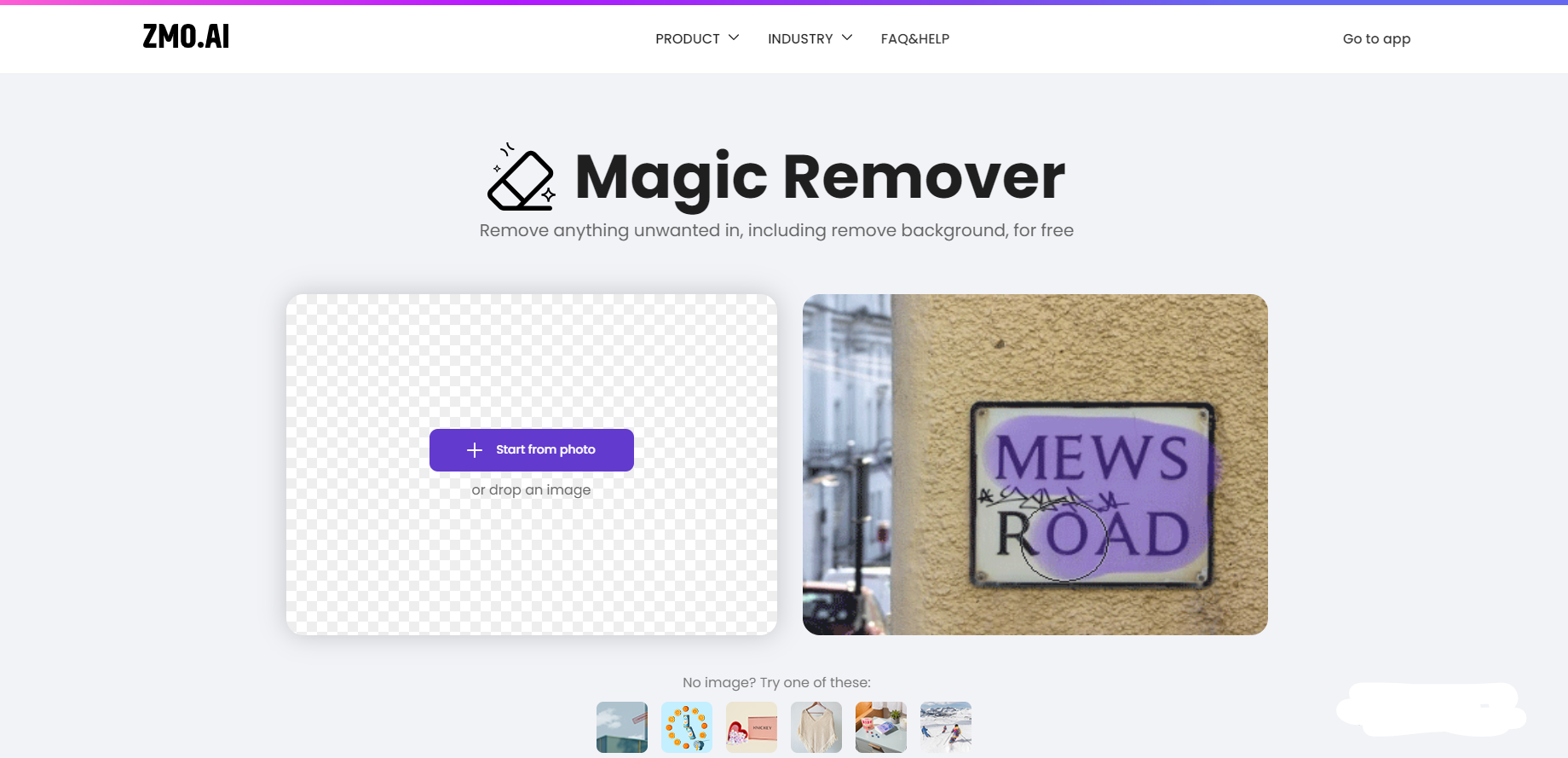
In recent years, the development of artificial intelligence has dramatically transformed various industries, and fashion is no exception. A prominent innovation in this field is the emergence of free AI clothes remover tools. These applications harness the power of advanced algorithms to allow users to manipulate images in a way that was previously the realm of professional photo editors. This article delves into the functionalities, potential uses, ethical implications, and future of AI clothes removers. You can learn more about them at free ai clothes remover aiclothesremover.app.
What is an AI Clothes Remover?
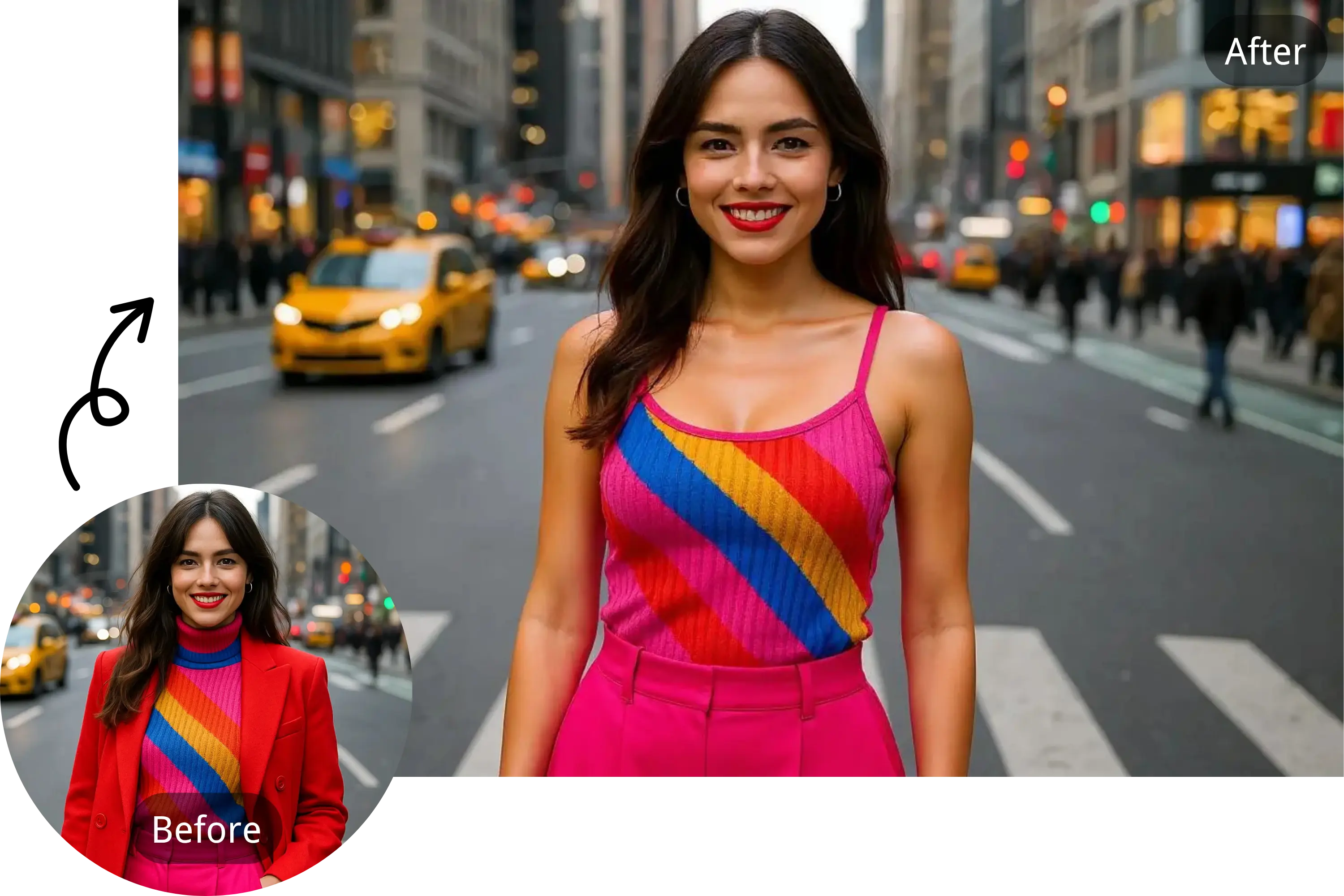
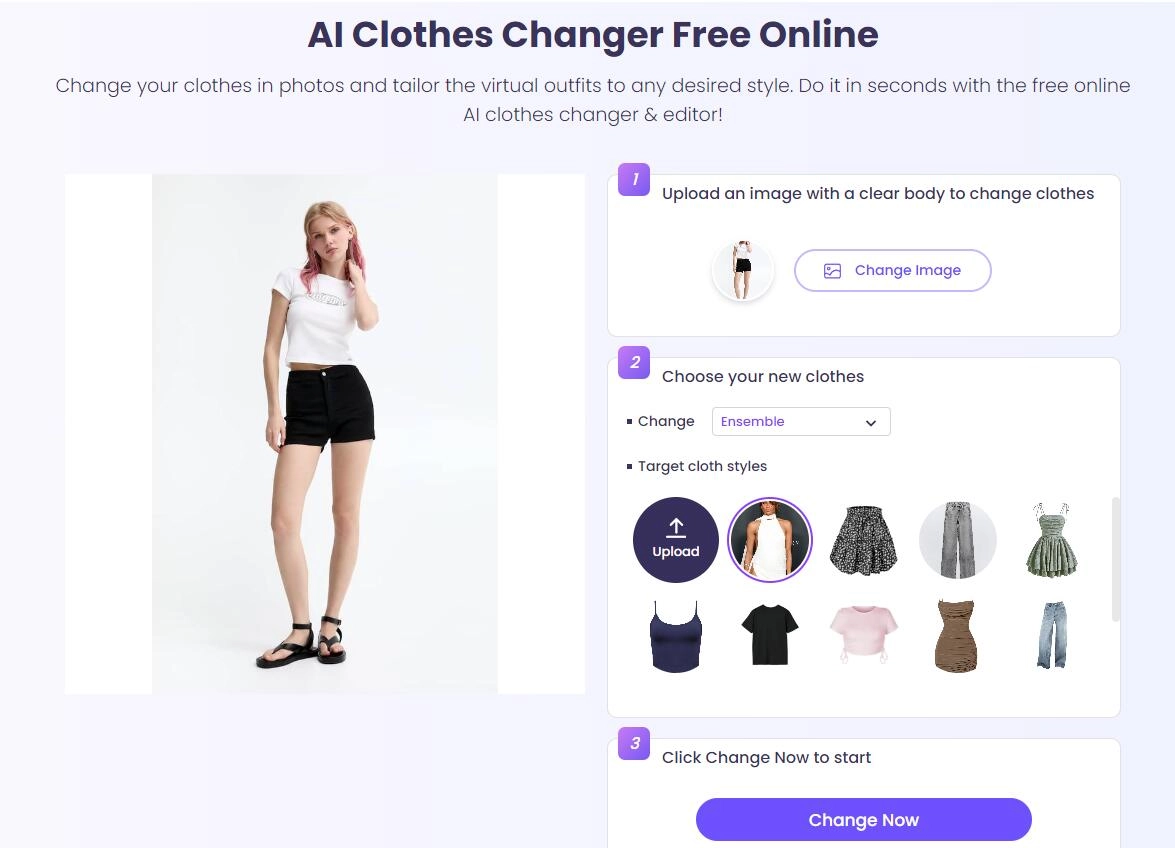
An AI clothes remover is a software tool or application designed to automatically detect and remove clothing from images, whether they are photographs of people or digital illustrations. Using machine learning and image processing techniques, these tools can analyze the visual data in an image and determine the clothing items to eliminate them while retaining the core framework of the original image. While the primary function appears straightforward, the technology backing it is complex and continually evolving.
How Does It Work?
At the core of AI clothes removers is a method called deep learning. This branch of artificial intelligence enables systems to learn and improve from vast amounts of data. During the training phase, these AI models are exposed to thousands or even millions of images to recognize patterns associated with clothing. Once trained, the AI can identify clothing items in new images and perform tasks such as removal or replacement. Popular algorithms include convolutional neural networks (CNNs), which excel at image classification tasks.
Applications of AI Clothes Removers
The applications of AI clothes remover tools are broad and varied. Here are some key areas where these tools are making an impact:
- Fashion Industry: Designers utilize these tools for virtual prototyping, allowing them to visualize how garments will look on a model without physical samples.
- Advertising: Marketers can create more appealing visuals by customizing clothing on models to match campaigns without the need for extensive photo editing.
- Art and Design: Artists and designers can experiment with images, combining different styles and creating unique artworks.
- Online Retail: E-commerce platforms can enhance user experience by allowing customers to visualize outfits in a more dynamic way without needing diverse model images.
Ethical Concerns
Despite the advantages, the rise of AI clothes removers also raises ethical questions. Privacy is a significant concern, as users may inadvertently share images that reveal sensitive or private information. Additionally, there is a risk of misuse; individuals could use these tools to create inappropriate or misleading images. Moreover, the potential for reinforcing unrealistic body standards in fashion should be considered. The intersection of creativity and ethics demands a responsible approach to developing and deploying these technologies.
Future Trends in AI Clothing Removal
As technology continues to advance, the capabilities of AI clothes removers are expected to expand significantly. We may see improvements in the accuracy of image processing, allowing for more nuanced removal that considers shadows, textures, and lighting conditions. Additionally, integration with augmented reality (AR) and virtual reality (VR) platforms could enable users to interact with clothing selections in real-time, leading to personalized virtual shopping experiences. Furthermore, the implementation of ethical guidelines and standards for usage will become increasingly important to ensure the responsible deployment of these technologies.
Conclusion
The emergence of free AI clothes remover tools is undoubtedly revolutionizing the fashion industry and beyond. They offer unprecedented creative opportunities for designers, marketers, and artists, while also posing significant ethical questions. As this technology evolves, society must engage in thoughtful discussions about its implications and establish guidelines that prioritize both innovation and responsible use. The future of fashion is undoubtedly intertwined with AI, and tools like these will continue to play a crucial role in shaping that future.