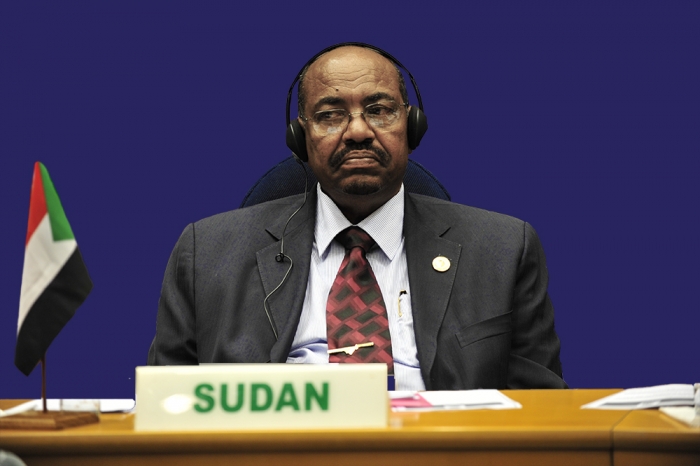
Understanding the Current Framework of Sudan Sanctions: A Comprehensive Guide
The sanctions imposed on Sudan are part of a complex legal framework that governs international relations, human rights, and security. Organizations and individuals must navigate these regulations carefully to ensure compliance. For a deeper understanding of these sanctions, refer to the guidance on Sudan sanctions, which outlines current policies and considerations.
Overview of Sudan Sanctions
Sudan’s history has been marred by conflict, civil war, and human rights abuses, leading to the imposition of various sanctions by the international community. These sanctions are designed to pressure the government into making political reforms, ensuring human rights, and promoting peace in the region. Understanding the nature of these sanctions is crucial for businesses and organizations engaging with Sudan.
Types of Sanctions
Sanctions can take many forms, including:
- Economic Sanctions: Restrictions on trade and financial transactions with Sudanese entities.
- Travel Bans: Prohibiting certain individuals from entering countries that enforce the sanctions.
- Asset Freezes: Preventing designated individuals or organizations from accessing their funds or other assets held abroad.
Legal Framework
The legal framework governing Sudan sanctions is rooted in various international laws and national regulations. Key components include:
- United Nations Sanctions: The UN has imposed sanctions based on resolutions addressing human rights violations and conflicts.
- U.S. Sanctions: The Office of Foreign Assets Control (OFAC) enforces U.S. sanctions, which may include regulations on transactions, investments, and exports.
- European Union Measures: The EU also has specific regulations aimed at preventing trade with entities that support the Sudanese government’s oppressive actions.
Compliance Considerations
For businesses and organizations, compliance with Sudan sanctions is paramount. Here are some key considerations:
- Due Diligence: Conduct thorough due diligence on partners, clients, and suppliers to ensure they are not engaging in prohibited activities.
- Monitoring Changes: Stay updated on changes to sanctions regulations, as they can evolve rapidly in response to the political climate.
- Training and Awareness: Provide training for staff to recognize and understand the implications of sanctions on operations.
Challenges and Risks
Engaging in business with or within Sudan presents several challenges and risks that must be considered:
- Legal Risks: Violating sanctions can lead to hefty fines and penalties for organizations and individuals involved.
- Reputation Damage: Associations with parties that violate human rights can severely harm an organization’s reputation.
- Operational Difficulties: Accessing banking systems and transferring funds may be complicated due to restrictions, affecting day-to-day operations.
Recommendations for Action
To navigate the intricacies of Sudan sanctions effectively, organizations should consider the following recommendations:

- Develop Robust Compliance Programs: Establishing internal controls that align with sanctions regulations helps prevent violations.
- Consult Legal Experts: Engaging legal experts who specialize in international law and sanctions will provide tailored guidance for compliance efforts.
- Engage with Advocacy Groups: Collaborating with organizations that promote human rights can provide insights into the socio-political landscape of Sudan.
Conclusion
The sanctions imposed on Sudan represent a significant barrier to engagement but are also an essential tool in promoting human rights and political reform. Organizations must take proactive steps to understand and comply with these sanctions, ensuring that they contribute positively to the region’s future while mitigating legal and operational risks.
In summary, navigating the complexities of sanctions requires diligence, continuous education, and a commitment to ethical business practices. As the situation evolves, staying informed and compliant is crucial for anyone looking to engage with Sudan.