In the ever-evolving landscape of Forex trading, understanding the significance of trading indicators is crucial for success. For traders seeking to enhance their strategies, forex trading indicators onlinetrading-cm.com provides valuable insights and tools that can transform trading performance. This article aims to demystify Forex trading indicators, including their types, practical uses, and tips for effectively incorporating them into trading strategies.
What Are Forex Trading Indicators?
Forex trading indicators are mathematical calculations based on price, volume, or open interest of a security. These indicators aim to identify trends, forecast future price movements, and provide traders with opportunities for potential profit. The most common types of indicators fall into three categories: trend indicators, momentum indicators, and volatility indicators.
Types of Forex Trading Indicators
1. Trend Indicators
Trend indicators help traders identify the direction of the market, whether it is moving upward, downward, or sideways. Some of the most popular trend indicators include:
- Moving Averages (MA): This indicator smooths out price action by averaging prices over a specified period. The most commonly used moving averages are the simple moving average (SMA) and the exponential moving average (EMA).
- Average Directional Index (ADX): The ADX measures the strength of a trend without indicating its direction. An ADX value above 20 typically signals a strong trend, while a value below 20 suggests a weak or non-existent trend.
- Parabolic SAR: This trend-following indicator helps identify potential reversals in market direction. It appears as dots above or below the price chart, suggesting whether to buy or sell.
2. Momentum Indicators
Momentum indicators measure the speed of price movement and help traders identify overbought or oversold conditions in the market. Key momentum indicators include:
- Relative Strength Index (RSI): The RSI ranges from 0 to 100 and is typically used to identify potential reversal points. An RSI above 70 indicates overbought conditions, while an RSI below 30 indicates oversold conditions.
- Stochastic Oscillator: This indicator compares a security’s closing price to its price range over a specific period. Values above 80 indicate overbought conditions, while values below 20 indicate oversold conditions.
- MACD (Moving Average Convergence Divergence): The MACD is a trend-following momentum indicator that shows the relationship between two moving averages of a security’s price. The MACD can help identify potential buy and sell signals.
3. Volatility Indicators
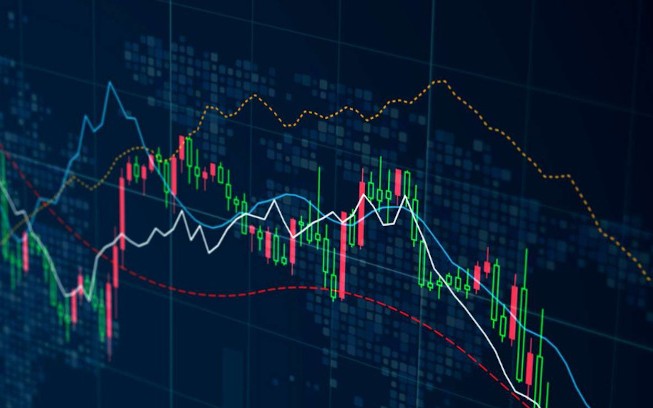
Volatility indicators measure the rate of price fluctuations over a given period. These indicators can help traders assess risk and make informed decisions. Key volatility indicators include:
- Bollinger Bands: This indicator comprises a moving average and two standard deviation lines, creating a band that adjusts to market volatility. Prices touching the outer bands may indicate potential reversals.
- Average True Range (ATR): The ATR measures market volatility by calculating the average range between the high and low prices over a specific period.
How to Use Forex Trading Indicators
While indicators can significantly aid in making informed trading decisions, it is crucial to use them correctly. Here are some practical tips for using Forex trading indicators effectively:
1. Combine Indicators
Relying on a single indicator can be misleading. Combining different types of indicators (trend, momentum, and volatility) can provide a more comprehensive view of the market. For example, using the MACD in conjunction with RSI can help confirm potential trade setups.
2. Adjust Settings for Personal Strategies
Most indicators come with default settings, but these may not suit everyone’s trading style. Experiment with different settings to find the ones that work best for your strategy. For instance, you may adjust the periods used in moving averages or the thresholds for the RSI.
3. Manage Risk Wisely
Indicators can signal potential trades, but they do not guarantee success. It’s essential to incorporate risk management into your trading plan. Set stop-loss orders and only risk a small percentage of your capital on each trade.
4. Backtest Your Strategy

Before implementing a strategy in a live trading environment, consider backtesting it on historical data. This process can help identify the effectiveness of the chosen indicators and reveal any adjustments needed for improved performance.
Common Mistakes to Avoid with Forex Trading Indicators
Even experienced traders can make mistakes when using indicators. Here are some common pitfalls to avoid:
1. Over-Reliance on Indicators
Indicators are tools that should complement your analysis, not replace it. Relying solely on indicators can lead to losses, so always consider price action and market fundamentals along with technical indicators.
2. Ignoring Market Conditions
Market conditions can change rapidly, rendering indicators ineffective. Always be aware of major economic events or geopolitical developments that may impact the Forex market.
3. Failing to Keep it Simple
Using too many indicators can lead to analysis paralysis. Keep your trading strategy as simple as possible by selecting a few key indicators and mastering them rather than overwhelming yourself with options.
Conclusion
Forex trading indicators are essential tools for traders looking to navigate the complexities of the Forex market. By understanding the different types of indicators and how to use them effectively, traders can enhance their trading strategies and improve their chances of success. Remember to combine indicators, adjust settings to suit your strategy, manage risk wisely, and backtest before implementing any new trades. Avoid common mistakes, and you’ll find that indicators can provide valuable insights that pave the way toward becoming a more confident and successful Forex trader.